


The Role of Central and Commercial Banks in Promoting Sustainable Finance in Africa
Jun 27, 2023
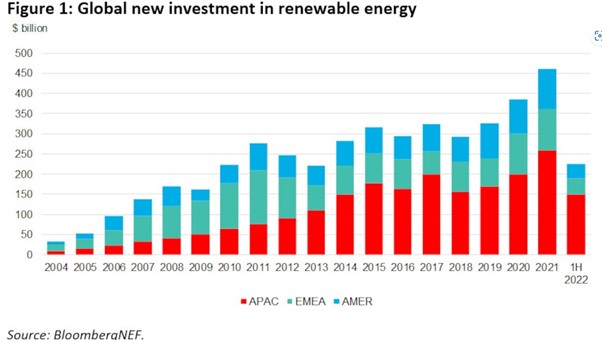
Many Africans countries are important players in the global fossil fuel market and their economies are heavily dependent on revenue from the extraction and export of fossil fuels. However, the increasing awareness of the negative environmental and social impacts of fossil fuel extraction, lead many countries to look for ways to diversify their economies and transition to renewable energy sources.
The situation is the same with banks. The African banking sector has a varied mix of sectoral investments with some countries historically been heavily reliant on fossil fuels, but as the world faces increasing climate change, there is growing pressure to transition towards sustainable finance. Banks supporting the fossil fuel industry are exposed to climate-related risks, including stranded assets and regulatory penalties. The fossil fuel industry is a major contributor to greenhouse gas emissions, which drive climate change. As the impacts of climate change become more severe, there is increasing regulatory and reputational risk associated with financing fossil fuel projects. Banks that continue to invest in fossil fuels may face the risk of severe losses.
Financial risks also arise from market volatility. The financial performance of the fossil fuel industry is becoming increasingly volatile as a result of changing market conditions and competition from renewable energy sources. Banks that are heavily invested in fossil fuels may face financial risk if the industry experiences a downturn. On the other hand, banks that shift their focus towards renewable energy financing and sustainability can benefit from the growing demand for renewable energy projects and sustainable investment even if it comes with some new risks and change. By supporting renewable energy projects, banks can contribute to sustainable development and position themselves for long-term growth in the transition to a low-carbon economy. Commercial banks therefore must play a critical role in promoting sustainable finance in Africa.
Role of Commercial Banks in sustainable finance
As the primary providers of finance to businesses and individuals, commercial banks have significant leverage over the economy and can help drive the transition towards a more sustainable future in many ways:
Financing renewable energy projects: provide financing to renewable energy projects, such as wind and solar power, which can help to reduce reliance on fossil fuels. By investing in these projects, banks can support the growth of the renewable energy sector and help to make it more competitive.
Green loans: provide loans to businesses and individuals who are investing in sustainable technologies, such as energy-efficient buildings and electric vehicles. These loans can help to promote sustainable development and reduce the demand for fossil fuels.
Risk management: manage the risks associated with climate change and the transition away from fossil fuels. By identifying and assessing climate related risks, banks can take steps to mitigate these risks and ensure the long-term sustainability of their lending and investment activities.
Innovation: develop new financial products and services that support the transition away from fossil fuels. For example, banks can develop green bonds and other financial instruments that are specifically designed to finance sustainable projects.
However, Innovation and shift to sustainable finance does come with risks and incertitude for commercial banks as mentioned above. These risks can impact negatively the performance of banks especially the Non-Performing Loan (NPL) ratios as it is a relatively new field. This is where central banks come in.
Central Banks as sustainable finance framework enabler
Central banks can use several policy tools and initiatives to support sustainable finance and promote the transition away from fossil fuels:
Policy and regulatory frameworks: establish policy and regulatory frameworks that promote sustainable finance and incentivize banks to transition away from fossil fuels. For example, develop guidelines or standards for sustainable finance, such as the Principles for Responsible Banking developed by the United Nations Environment Programme Finance Initiative (UNEP FI).
Green bond markets: support the development of green bond markets, which can provide a source of financing for sustainable projects. Central banks can issue green bonds themselves, or they can establish guidelines for the issuance of green bonds by other entities.
Risk management: integrate climate-related risks into their risk management frameworks, and encourage banks to do the same. This can help ensure that banks are adequately assessing and managing climate risks in their lending and investment activities.
Research and data collection: conduct research and collect data on the impact of climate change on the financial system and the economy, and use this information to inform policy and regulatory decisions. This will help central banks and other stakeholders better understand the risks and opportunities associated with the transition to a low-carbon economy.
Capacity building: provide technical assistance and capacity building support to banks and other financial institutions to help them develop the skills and knowledge needed to transition towards sustainable finance.
In conclusion, promoting sustainable finance in Africa requires collaboration and innovation from both central and commercial banks. By promoting dialogue, providing technical assistance, offering incentives, sharing best practices, and developing regulatory frameworks, central banks can help to support commercial banks in their transition towards sustainable finance while also promoting well-run financial institutions. By working together, they can manage risks, build capacity, and promote sustainable development in the region. This collaboration can involve partnerships with renewable energy companies and other green-focused institutions, as well as engagement with policy makers and international organizations to develop regional strategies and promote sustainable finance at a broader level.
About the authors
Olumide Lala has over 30 years’ experience in Banking, Climate Finance, Sustainability, Capital Markets Development, Process Optimization and Technology. Olumide heads up the Climate Finance Services team at Climate Transitions Limited – a boutique consulting firm focused on mobilising climate finance for greening economies. Olumide has a proven track record in working with a wide range of government agencies, financial regulators and global investors in developing training materials and implementing green frameworks/regulations that aligns sustainability programmes with development priorities stated in the Nationally Determined Contributions for African countries. In the past 7 years, Olumide has focused his work on developing African capital market, through regulatory policy formation, capital mobilization, large asset transactions, value-based management techniques, climate-related finance risk, capacity building and capability development to drive long term institutional investments in green financial instruments (green, social and sustainability bonds) to finance the transition to green and low-carbon infrastructure in Africa. Before joining Climate Transition Limited, Olumide led the Markets Development Programme for Africa at Climate Bonds Initiative, following his role as the Head of Transformation and Change at the NGX Limited (formally the Nigerian Stock Exchange).
Darren Stone provides expert independent risk evaluations of companies across Africa for a range of clients, including private equity funds, regulators and institutional investors. He is involved in analysing climate risks and market information to identify major exposures and risk drivers, develop and interpret financial models, and determine the climate and environmental exposures of an entity. He is involved in business analysis tasks including preparing client proposals, portfolio evaluations and innovative solutions around climate exposures for clients. Before joining Climate Transition Ltd in 2021, Darren was Group Head for Climate and Environmental Risk at Access Bank, Nigeria. and served both the Bank and the interbank committee of the Nigerian Banks implementing the Nigerian Sustainable Banking Principles for which he was chair.
Your comment